
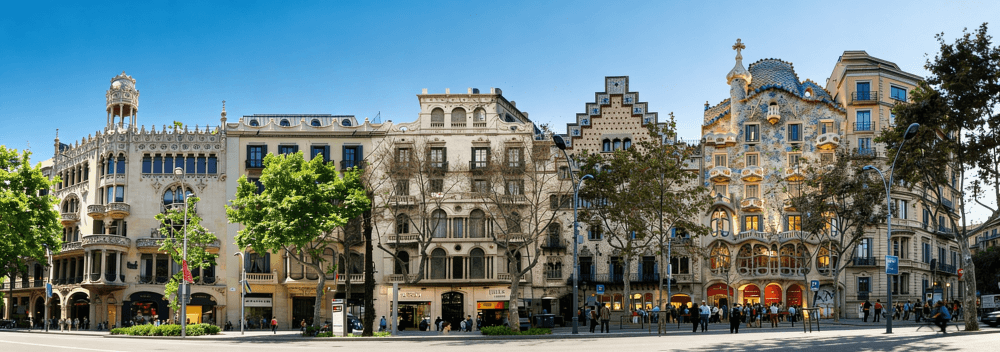

Barcelona is renowned for its stunning architecture, Mediterranean climate, and dynamic lifestyle, making it one of the most sought-after cities in Europe for real estate investment. For international buyers, acquiring property here is an exciting but complex endeavour that requires careful planning and professional guidance. This comprehensive guide unpacks all the critical aspects of buying property in Barcelona, from legal frameworks to neighbourhood insights, costs, and practical advice tailored for overseas purchasers.
The Appeal of Buying Property in Barcelona for International Buyers
Barcelona’s real estate market presents excellent opportunities for buyers seeking primary residences, second homes, or investment properties. The city blends historical charm with modern amenities, vibrant culture, and extensive infrastructure. Additionally, Barcelona’s strategic location on the Mediterranean coast with an international airport and high-speed connections makes it highly accessible.
International purchasers are drawn by:
- Stable property prices compared to other European cities
- High quality of life, including healthcare, education and leisure
- A diverse selection of properties ranging from historic apartments to new developments
- Potential for rental income in both the tourist and long-term rental markets
- Tax incentives and favourable residency options for non-residents
Step One: Understanding the Buying Process in Barcelona
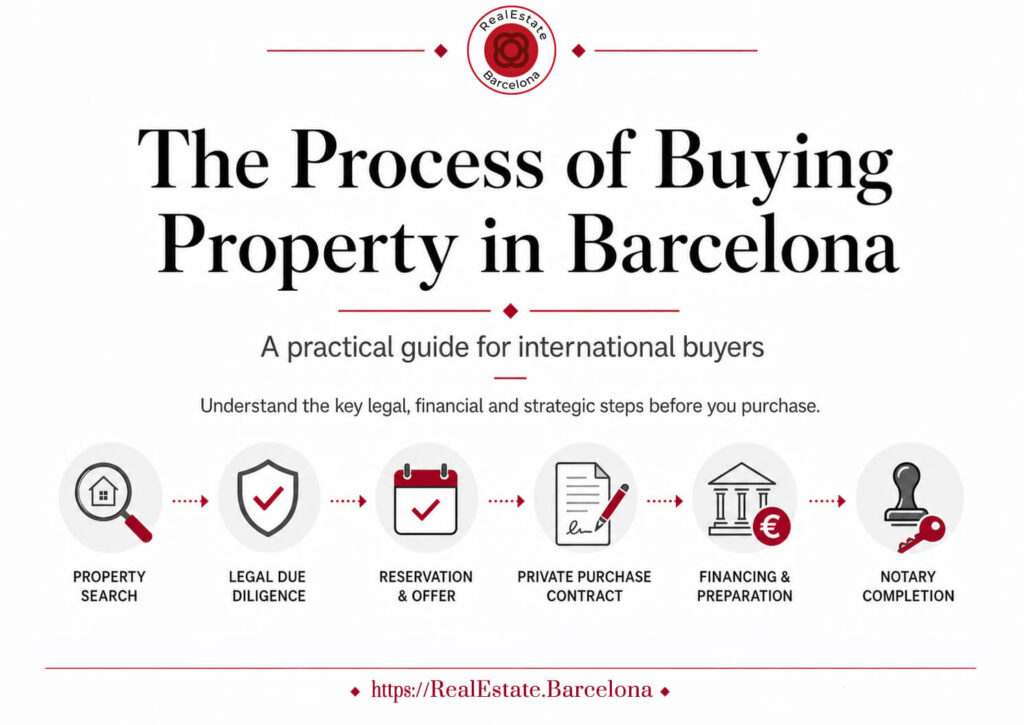
The purchase of property in Barcelona involves several essential steps which differ from many other countries. Familiarisation with the process reduces risks of missteps and ensures compliance with local regulations.
1. Property Search and Market Analysis
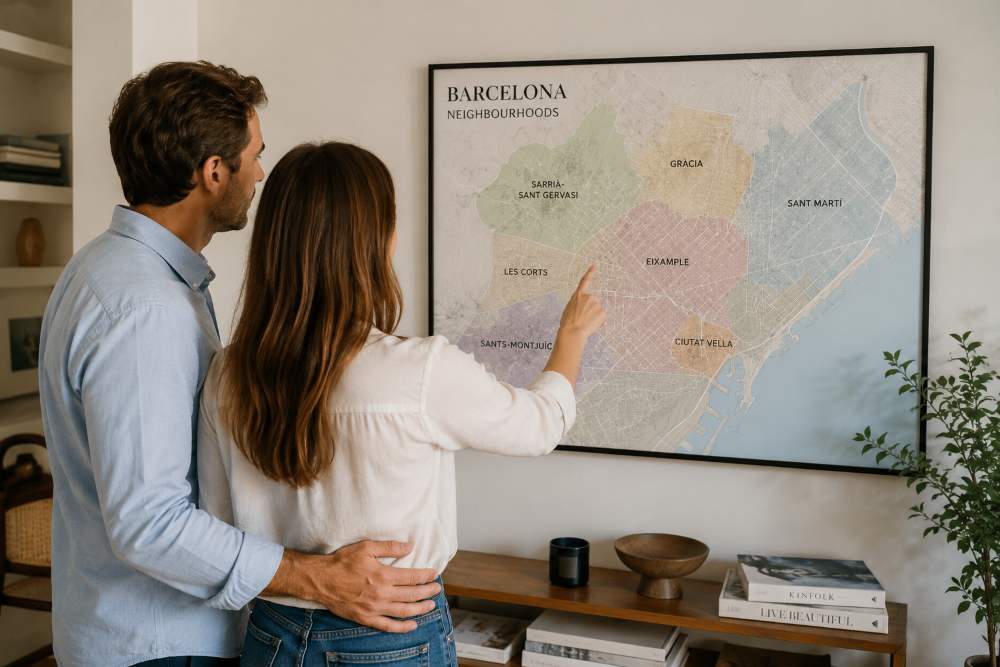
It is crucial to start with a clear definition of budget, purpose (resident, investment, holiday home) and preferred neighbourhoods. Housing types vary between historic districts, developing zones, and suburban areas offering different price points and lifestyles.
Many international buyers benefit from the services of a property buyer’s agent or personal shopper, who can identify properties off-market or within the open market that match client criteria, providing market insight and negotiation expertise.
2. Legal Checks and Due Diligence
Before committing, thorough due diligence is mandatory to verify ownership, outstanding debts, urban planning conditions, and absence of debts or legal claims linked to the property.
Our expertise, based on generations of local knowledge, ensures we detect potential “hidden defects” that could lead to costly problems post-purchase. For example, issues related to change of use authorisations or unresolved inheritance disputes can jeopardise the security of the acquisition.
3. Reservation and Purchase Offer
Once a suitable property has been identified, the next step is not always an immediate reservation. In Spain, a reservation agreement is typically used in specific situations: when the buyer makes an offer below the asking price, or when the property is being marketed simultaneously by several real estate agencies.
Although this may seem counterintuitive to international buyers, it is fairly common in the Spanish real estate market for the same property to be advertised by more than one agency. In these cases, signing a reservation agreement before the contrato de arras can be a practical way to block the property, formalise the buyer’s interest, and reduce the risk of complications before the transaction moves into the binding purchase stage.
4. Signing the Private Purchase Contract (“Contrato de Compraventa”)
The next milestone in the purchase process is the signing of the private purchase contract, known in Spain as the contrato de arras. This document formalises the agreement between buyer and seller and usually includes the property description, final purchase price, payment terms, completion timeline, and any specific conditions negotiated during the offer stage.
For resale properties, the standard deposit at this point is typically 10% of the purchase price. In the case of new-build properties, the payment structure may differ, with staged payments during construction that can amount to around 20% of the total price before signing the public deed.
Buyers should also be aware that there are several types of arras contracts in Spain, each with different legal implications. These differences can affect what happens if either party withdraws from the transaction, whether the deposit is lost or returned, and what remedies may be available to the buyer or seller.
This is why legal and strategic review is essential before signing. We assist our clients in analysing the contract, clarifying their obligations, and ensuring that the terms are aligned with their interests and with the protections available under Spanish law.
5. Preparing for Completion: Financing, AML Checks and Payment Traceability
Once the contrato de arras has been signed, the transaction enters the period leading up to completion before a Spanish notary. During this stage, the buyer finalises the financing process, where applicable, and prepares the documentation required to complete the purchase.
For non-resident buyers, this phase can involve additional compliance checks, particularly regarding anti-money laundering requirements. Depending on the buyer’s country of origin, banks, legal advisors, and the notary may request documentation proving the lawful origin of the funds used for the acquisition.
The notary will normally require full traceability of the payment flow, including the source account and destination account for each payment made during the transaction. This includes the deposit paid under the contrato de arras, any interim payments, and the final amount due at completion.
Proper planning at this stage is critical. Ensuring that funds are transferred from the correct accounts, that supporting documentation is available, and that the financing process is completed on time helps prevent unnecessary delays before signing the public deed.

6. Completion at the Notary
The formal transfer of ownership takes place before a Spanish notary through the signing of the public deed of sale, known as the Escritura Pública de Compraventa. This is the moment when the buyer becomes the legal owner of the property and the seller transfers possession, usually by handing over the keys.
On the day of completion, the notary verifies the identity and legal capacity of the parties, reviews the terms of the transaction, confirms the property details, and ensures that the agreed purchase price and payment method are correctly reflected in the deed. The notary also checks relevant legal and registry information, including ownership, charges, mortgages, liens, and other registered encumbrances affecting the property.
The final payment is normally made at this stage, either by bank cheque or bank transfer, depending on the structure agreed by the parties and the requirements of the transaction. If the property has an existing mortgage, part of the purchase price may be used to cancel the outstanding debt directly with the seller’s bank, so that the property can be transferred free of charges.
For non-resident buyers, the notarial signing also confirms the traceability of the funds used in the transaction. The notary may require details of the source and destination accounts for each payment made, including the deposit, any interim payments, and the final amount paid at completion.
After the deed is signed, the transaction is submitted to the Land Registry. Registration is essential because it provides public legal recognition of the buyer’s ownership and protects the buyer’s rights against third parties. Although the buyer becomes owner at the notary, registration gives the acquisition full legal visibility and security in the Spanish property system.
At this stage, we coordinate with the legal, financial, and notarial teams to ensure that the signing process is properly prepared, all required documentation is in place, payments are correctly structured, and the buyer completes the acquisition with maximum legal and operational security.
Legal Requirements for International Buyers
International buyers have the right to purchase property in Spain without restrictions. However, compliance with legal and tax obligations is essential. Below are some key considerations:
- Foreigner Identification Number (NIE): All foreign buyers must obtain an NIE, a tax identification number required for property transactions.
- Tax Registration: Non-residents must register with tax authorities to meet fiscal responsibilities associated with property ownership.
- Financing: While mortgages are available to foreigners, Spanish banks typically require a significant down payment (usually 30-40% for non-residents).
- Legal Representation: Engaging a local lawyer or a buyer’s agent ensures protection against scams and compliance with procedural norms.
Fiscal Considerations When Buying Property in Barcelona
Purchasing property in Barcelona involves several taxes and fees that international buyers should anticipate and plan for financially.
- Property Transfer Tax (ITP): pplicable to resale properties in Catalonia. The standard rate is generally 10%, but for higher purchase prices the tax is calculated according to a progressive scale, with a maximum value of 13 %, so the final amount may be higher depending on the value of the property.
- Value Added Tax (VAT/IVA): Applicable to new properties, usually 10%.
- Stamp Duty (AJD): Ranges approximately 0.5%-1.5% depending on the property.
- Notary and Land Registry Fees: Combined around 1%–2% of the purchase price.
- Annual Property Taxes: IBI (Impuesto sobre Bienes Inmuebles), calculated on cadastral values with rates dependent on municipal setting.
For a detailed breakdown of buying costs, visit our Costs of Buying Property in Barcelona page.
How to Finance Your Property Purchase
International buyers can access financing through Spanish banks or lenders in their home countries. Spanish institutions usually lend up to 70% of the property value for non-residents, subject to solvency and creditworthiness analysis.
Factors influencing mortgage approval include:
- Proof of income and employment stability
- Credit history verification
- Property appraisal: When a mortgage is involved, the property must usually be valued by an appraisal company officially approved by the Bank of Spain. This independent valuation is a key requirement for the lender before approving the final mortgage amount.
- Residency status and tax obligations in Spain
Best Neighbourhoods for International Buyers in Barcelona
The choice of location is critical and depends on lifestyle preferences, family needs, investment goals, and budget. Popular areas include:
| Neighbourhood | Characteristics | Ideal For |
|---|---|---|
| Eixample | Elegant Modernist buildings, central location, excellent amenities | Urban professionals, families seeking central living |
| Gràcia | Bohemian vibe, independent shops, plazas with local atmosphere | Younger buyers, creatives, those seeking cultural experience |
| Ciutat Vella | Historic charm, bustling tourist hub, proximity to beaches | Investors, short-stay holiday rental market |
| Sarrià-Sant Gervasi | Quieter, upscale residential area, green spaces | Families, luxury buyers |
| Poblenou | Trendy, tech district, modern developments near the sea | Young professionals, tech workers |
Explore further details on neighbourhoods in our guide to the Best Neighbourhoods to Live in Barcelona.
Common Pitfalls to Avoid When Buying Property in Barcelona
International buyers often face challenges that can be avoided with adequate preparation and expert advice, such as:
- Failing to verify legal status of the property, leading to ownership disputes
- Overlooking urban planning regulations affecting property use or extensions
- Underestimating total purchase costs and taxes
- Not conducting thorough inspections for hidden defects or structural issues
- Rushing decisions without professional negotiation support
Our specialised services help mitigate these risks through comprehensive due diligence and client education.
Checklist: Key Steps for International Buyers in Barcelona
| Step | Action | Details/Considerations |
|---|---|---|
| 1 | Obtain NIE Number | Essential for legal transactions and tax filings |
| 2 | Engage Local Buyer’s Agent | Access to off-market properties and negotiation expertise |
| 3 | Property Search | Define requirements; prioritise urban vs. suburban areas |
| 4 | Due Diligence and Legal Checks | Review ownership, debts, urban planning, and condition |
| 5 | Reservation and Offer | Provide deposit; negotiate terms with legal support |
| 6 | Sign Private Purchase Agreement | Ensure contract clarity and protections |
| 7 | Complete Purchase at Notary | Formalise ownership; register deed at Land Registry |
| 8 | Register with Tax Authorities | Fulfil fiscal obligations as property owner |
Personal Experience in Buyer Representation
Over three generations, our family has cultivated deep expertise in Barcelona’s real estate market, combining local insight with rigorous legal and marketing know-how. We have accompanied numerous international clients through complex transactions, from securing exclusive properties to navigating challenging legal frameworks.
One illustrative case involved assisting a family looking to purchase a home in Barcelona. Our clients include both national and international buyers, as the challenges of the local market affect anyone seeking the right property in the city.
In this case, the family required a spacious home close to international schools in Sarrià-Sant Gervasi, one of Barcelona’s most established and competitive residential districts. The search took place in a market characterised by limited supply, high demand, and the added complexity of dealing with several agencies, not all of which operate with the same level of transparency regarding fees, availability, or commercial conditions.
Through meticulous market research, access to off-market opportunities, and structured negotiation, we secured a high-quality property at a competitive price. We also coordinated the legal, tax, and transaction process to ensure that every stage of the purchase was properly managed.
This case illustrates the value of having a dedicated buyer’s agent on your side: an advisor who protects your interests, filters the market objectively, clarifies agency conditions, and makes the purchase journey more efficient, transparent, and secure for both national and international buyers.
Why Working with a Buyer’s Agent in Barcelona Makes the Difference
Buying property in Barcelona can be a highly rewarding decision, whether as a main residence, second home, relocation project, or long-term investment. This applies to both national and international buyers. However, the city’s residential market is increasingly complex, with limited supply, strong demand, competitive bidding scenarios, and, in some cases, a lack of transparency regarding agency fees or commercial conditions.
For this reason, a successful purchase requires much more than simply finding a property online. It requires a clear understanding of local market dynamics, legal obligations, fiscal responsibilities, financing requirements, and the real negotiation framework behind each transaction.
Strategic planning, professional guidance, and detailed due diligence are essential to protect the buyer’s interests and avoid unnecessary risks.
To optimise your experience:
- Engage a specialised buyer’s agent with deep knowledge of Barcelona’s residential market, legal process, and agency practices.
- Prioritise transparency, due diligence, and objective market analysis over speed.
- Understand all associated costs, taxes, fees, and financing implications before making a commitment.
- Choose neighbourhoods aligned with your lifestyle, family needs, investment objectives, and long-term plans.
- Verify agency conditions, property availability, legal status, and payment structure before signing any binding agreement.
This approach significantly improves your chances of securing the right property under the right conditions, while making the purchase process more transparent, efficient, and secure. In a market as competitive as Barcelona, having an independent buyer’s agent on your side can make the difference between simply buying a property and making a well-informed real estate decision.
Need Expert Help Buying Property in Barcelona?
Speak directly with one of our experienced buyer agents to get personalised advice and access to exclusive listings.
For a general overview on purchasing property in Spain as a foreigner, please refer to this guide.
Frequently Asked Questions


